Oil & Glycol

Why Recycle Oil & Glycol
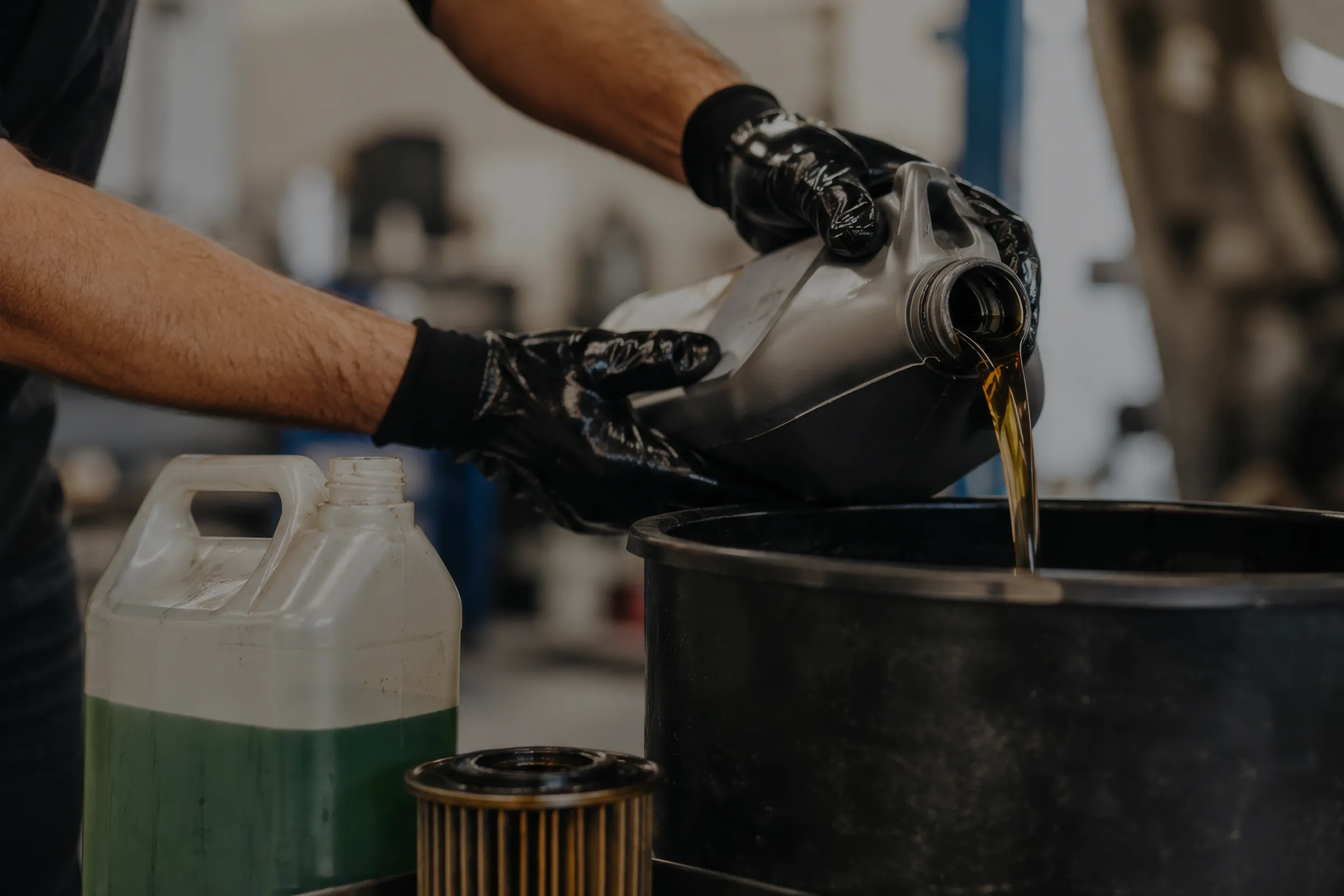
Just one litre of used oil could pollute one million litres of drinking water. By recycling your used products, you help protect New Brunswick’s environment. Used oil is a source of energy for commercial and industrial consumers. Oil and diesel fuel filters, made mostly of metal, are crushed and sent to a steel mill for recycling. Glycol is cleaned and, depending on the additives, the new coolant is sold to commercial and industrial consumers. Containers for oil and glycol are made of high-quality plastic. Once cleaned and decontaminated, they are recycled into new containers and other products.
Key Program Info
What products are included in the oil & glycol program?
- oil containers of 50 litres or less
- glycol containers of 50 litres or less
What products are not included in the oil & glycol program?
- Plumbing antifreeze;
- Windshield washer antifreeze;
- Lock de-icer and antifreeze;
- Gasoline and diesel fuel antifreeze.
Stewardship Plan
About the Program
Since 2014, It has been easy for you to recycle used oil, oil filters, oil containers, glycol and glycol containers in New Brunswick. Recycle NB oversees an industry-led, and financed, oil and glycol management plan. The Atlantic Used Oil Management Association (UOMA) manages the plan in New Brunswick on behalf of industry. The plan covers the manufacture, storage, collection, transportation, recycling and disposal of oil and glycol products.
Frequently Asked Questions
Do I have to pay a recycling fee to dispose of used oil and glycol products?
Funding for the program comes from fees paid to the non-profit organization by its industry members. Industry may either absorb the cost or pass it on to the consumer in the price of its products.
Does government play a role in the oil and glycol recycling program?
The Department of the Environment administers the Clean Environment Act. Under the Act, the Minister has the power to designate materials to be managed. To date the Minister has designated tires, paint, electronics, oil and glycol, packaging and paper products, beverage containers, pharmaceutical products and medical sharps, batteries and lightbulbs.
Recycle NB is the board that oversees waste reduction programs for government. It approves industry-developed waste management plans and sets a level-playing field for industry by establishing standards and ensuring that they apply to all producers. Recycle NB administers the used oil and glycol recycling program and ensures that it complies with the regulations.
What are the benefits of an oil and glycol recycling program?
What happens to the used oil, oil filters and glycol products when they are recycled?
Using a multi-step process, the glycol is cleaned and, depending on the additives, the new coolant is then ready for sale to commercial and industrial consumers.
Containers for oil and glycol are made of high-quality plastic. They are collected, cleaned, decontaminated and recycled into new containers and other products.